The Kentucky Center for African American Heritage (KCAAH) in Louisville stands as a living testament to the passion, struggle, and triumph that shape African American history in Kentucky. Often referred to as simply “the Heritage Center” or “the Center,” this 68,000-square-foot campus on West Muhammad Ali Boulevard attracts thousands of visitors each year. People come for workshops, historical exhibits, cultural programs, and artistic showcases. Open Monday through Friday, the Center has become a vital hub for community engagement and cultural preservation.
Louisville’s immigrants, particularly those with African Diaspora roots, frequently collaborate with and visit the Center. Executive Director Aukram Burton notes that the Center has hosted a wide range of cultural celebrations, including the African Heritage Festival with Bridge Kids International, and that Louisville is home to one of the nation’s largest Cuban communities outside Miami. Burton emphasizes that the Center’s mission is to preserve and promote Kentucky’s African American heritage alongside the histories shared across the global African Diaspora.
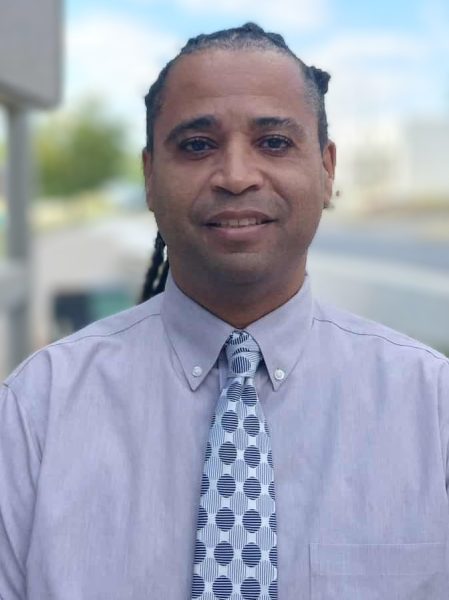
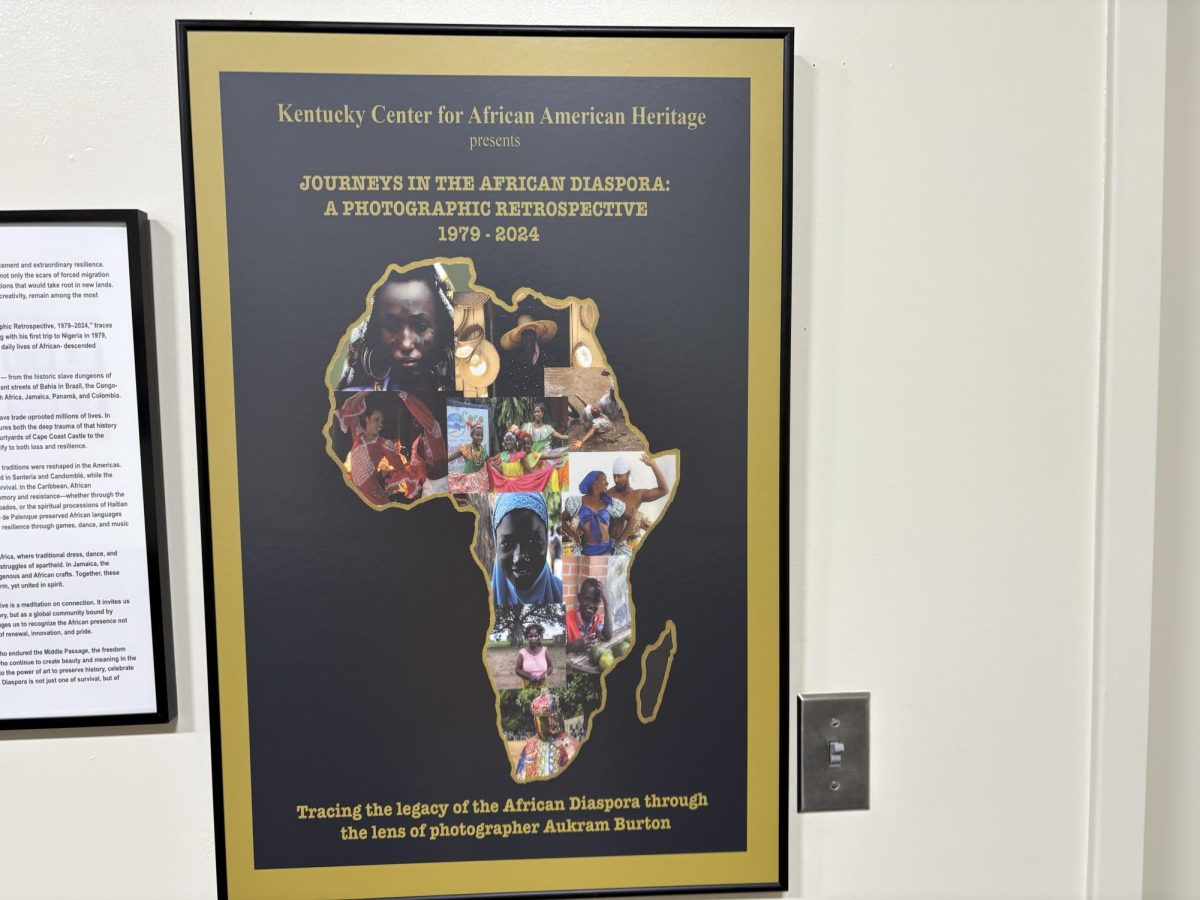
Burton, a longtime photographer, filmmaker, and educator, documents this Diaspora through decades of international travel. His exhibition, Journeys in the African Diaspora: A Photographic Retrospective 1979–2024, offers a sweeping visual narrative of shared cultural and historical roots across nations. The Center also celebrates local photojournalist Bud Dorsey, whose landmark book Available Light documents Black life in Louisville through decades of grassroots photographic work.
In educating visitors, Burton often highlights the broader context of African dispersal throughout the Americas. Only about 485,000 Africans were brought directly to the United States during the transatlantic slave trade—far fewer than the millions taken to Cuba, Brazil, and Colombia. This helps explain why those nations today have some of the largest African-descended populations in the world. Many African Americans, Burton argues, do not realize that their ancestral relatives may live in Spanish-speaking countries due to shared origins obscured by language barriers and political borders.
The Center’s establishment reflects decades of community activism. Although it officially opened in 2009, its origins lie in persistent grassroots efforts to document African American history in Louisville. These efforts helped create historical markers commemorating slave jails, Black settlements such as Little Africa, and other significant sites. Public history remains central to the Center’s work, which includes exhibits like The Black Freedom Struggle, developed with the University of Louisville and the Muhammad Ali Center to link the museum experience with real Louisville protest locations.
KCAAH occupies a historic trolley barn once designated an environmental brownfield, requiring extensive cleanup before renovation. The Transit Authority transferred the property to the African American Heritage Foundation for one dollar, but funding challenges and regulatory requirements made progress difficult. A crucial boost came from legal history: 19th-century civil rights cases involving Mary Cunningham Smith and the Fox brothers—Louisville residents who resisted segregated trolley policies—helped secure approximately $28 million in federal appropriations for renovation.
The Center also survived a major setback when founding executive director Clest Lanier was falsely accused of mismanaging funds. Burton explains that Lanier never handled federal money directly, and the accusations—later disproven—stalled construction, derailed planned exhibits, and resulted in major financial losses from fabrication work that had already begun.
Burton joined the Center through his work with Jefferson County Public Schools before later becoming Executive Director. His leadership emphasized sustaining the institution through active programming rather than pursuing formal museum status. At a time when even large museums struggled financially, Burton argued that KCAAH should focus on education, events, partnerships, and community use of its space. This strategy allowed the Center to host weddings, funerals, academic programs, youth camps, cultural festivals, and more. Though some programming has slowed due to state budget limitations, the Center remains a thriving community site.
Burton often reflects on the structural barriers that continue to hinder African American progress, drawing on the work of scholars such as Dr. Joy DeGruy, Dr. Na’im Akbar, Dr. Carter G. Woodson, Harriet Tubman, Dr. Claud Anderson, and others. He argues that psychological trauma, inequities in resources, and a lack of long-term strategic planning weaken the community’s ability to build sustained progress. He contrasts this with the “long game” approach adopted by nations such as China, which rose from poverty in 1949 to global economic power.
Education remains a powerful focus at the Center, which partners with several institutions including Kentucky State University and Simmons College. KCAAH offers artifacts, independent study opportunities, classroom space, and internships for students producing podcasts, written work, and research projects. Burton notes that many HBCUs historically avoided teaching African history—an academic gap he believes must be corrected.
Despite its accomplishments, the Center continues to grapple with resource needs. Admission is free, and while volunteers are essential, Burton stresses that sustainable cultural and educational work requires paid staff with clear responsibilities. For KCAAH to grow its programming and preserve its role as a central keeper of African American history in Kentucky, investment in human resources is essential.