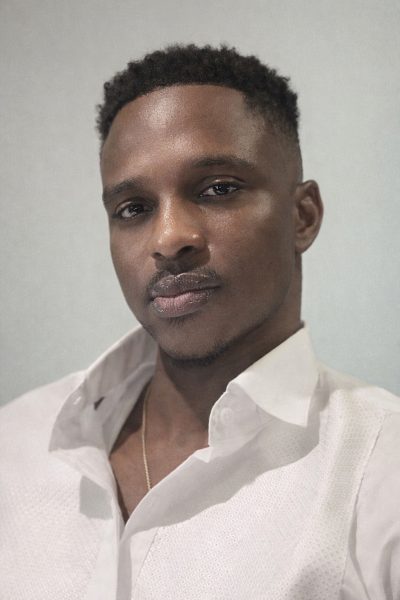
In a field where science meets sustainability, Dr. Noel Novelo sees aquaculture as more than raising fish. He sees it as a pathway to local food production, student growth and long-term community impact.
Novelo serves as an assistant professor of aquaculture at Kentucky State University, specializing in fish reproduction and genetics. His research and teaching focus on improving efficiency in aquaculture systems while preparing students to think beyond the classroom.
“A typical day is very fluid,” Novelo said. “There are many interactions with graduate students, high school students and faculty.”
His days often include one-on-one mentoring sessions, research meetings, grading and curriculum planning. Rather than emphasizing memorization, Novelo challenges students to engage in higher-level thinking.
“We’re not just looking at retention of facts,” he said. “We’re looking at creativity, synthesis and critical thinking.”
Originally from Belize ,the only English-speaking country in Central America ,Novelo began his journey in agriculture in 2002. His academic background includes studies in literature, natural resource management and public administration before advancing into aquaculture and wildlife and fisheries at the doctoral level. He joined Kentucky State University as a full-time employee in 2016 and later transitioned into a faculty role.
His interdisciplinary background shapes how he approaches aquaculture today. He describes the field as a blend of science, art, business and community engagement.
“Aquaculture is not just fish farming,” Novelo said. “It’s connected to marketing, entrepreneurship, outreach and education. It’s part of a larger system.”
A major focus of his current research involves Nile tilapia, one of the most consumed fish in the United States. Despite its popularity, much of the tilapia consumed in the country is imported.
“We are consuming it, but we are not growing it locally,” Novelo said.
Through genetic research and reproductive management, Novelo and his students work to improve production efficiency and explore ways to strengthen domestic aquaculture. Understanding genetic traits such as growth rates, reproductive success and yield can help producers avoid bottlenecks and improve long-term sustainability.
“If we know our genetics, we can make better plans,” he said. “If we do not, we open ourselves to problems in production.”
In addition to farmed species, Novelo collaborates with the Kentucky Department of Fish and Wildlife Resources on projects involving sport fish such as largemouth bass and walleye. These species contribute significantly to recreational fishing and the state’s economy. His research examines the intersection between hatchery and wild genetics to support effective fishery management.
While research remains central to his work, Novelo repeatedly emphasizes mentorship as one of his greatest priorities. Graduate students in his program are encouraged not only to conduct research but also to mentor local high school students. This layered mentorship model, he said, strengthens leadership skills while expanding access to agricultural education.
“There is no better teacher than life and experience,” Novelo said.
He also recognizes the challenges students face outside the classroom. Financial pressures, work responsibilities and personal hardships can affect academic performance. Rather than assuming a lack of interest, Novelo believes faculty members should reach out.
“If a student is absent, that is a sign of something,” he said. “The professor should call, email and ask what is going on.”
One of his proudest moments as an educator, he said, comes from watching students overcome challenges and grow in confidence ,especially during presentations or research milestones.
“When I see a student shine after struggling, that is what makes me proud,” Novelo said.
Novelo believes misconceptions still surround aquaculture. Some critics view farm-raised seafood as inferior to wild-caught products or assume aquaculture harms traditional fishing industries. He challenges those perceptions, describing aquaculture as a necessary complement to capture fisheries.
“We are providing food,” he said. “Aquaculture is a means to an end.”
Looking ahead, Novelo sees both challenges and opportunities for aquaculture in the United States. Higher labor and production costs can limit growth compared to other countries. However, he believes American strengths in research, technology and innovation position the nation for progress.
“I see a promising future,” he said. “We must invest in local food production at small, medium and large scales.”
He also believes Kentucky State University’s aquaculture program holds a unique place nationally. As one of the few universities in the country offering a dedicated aquaculture degree, KSU combines research, extension and community engagement.
“Our students become professors, researchers and industry leaders,” Novelo said. “The investment pays off.”
Outside of work, Novelo values long-standing friendships and maintaining connections with colleagues and friends across Belize, Taiwan and Florida. He describes community ,whether professional or personal ,as essential to his life and career.
What motivates him most, he said, is the opportunity to make a positive impact.
“My desire is to contribute positively to the lives of people,” Novelo said.
For Novelo, aquaculture is not just about fish genetics or reproduction. It is about building systems that support farmers, educate students and strengthen communities , one generation at a time.