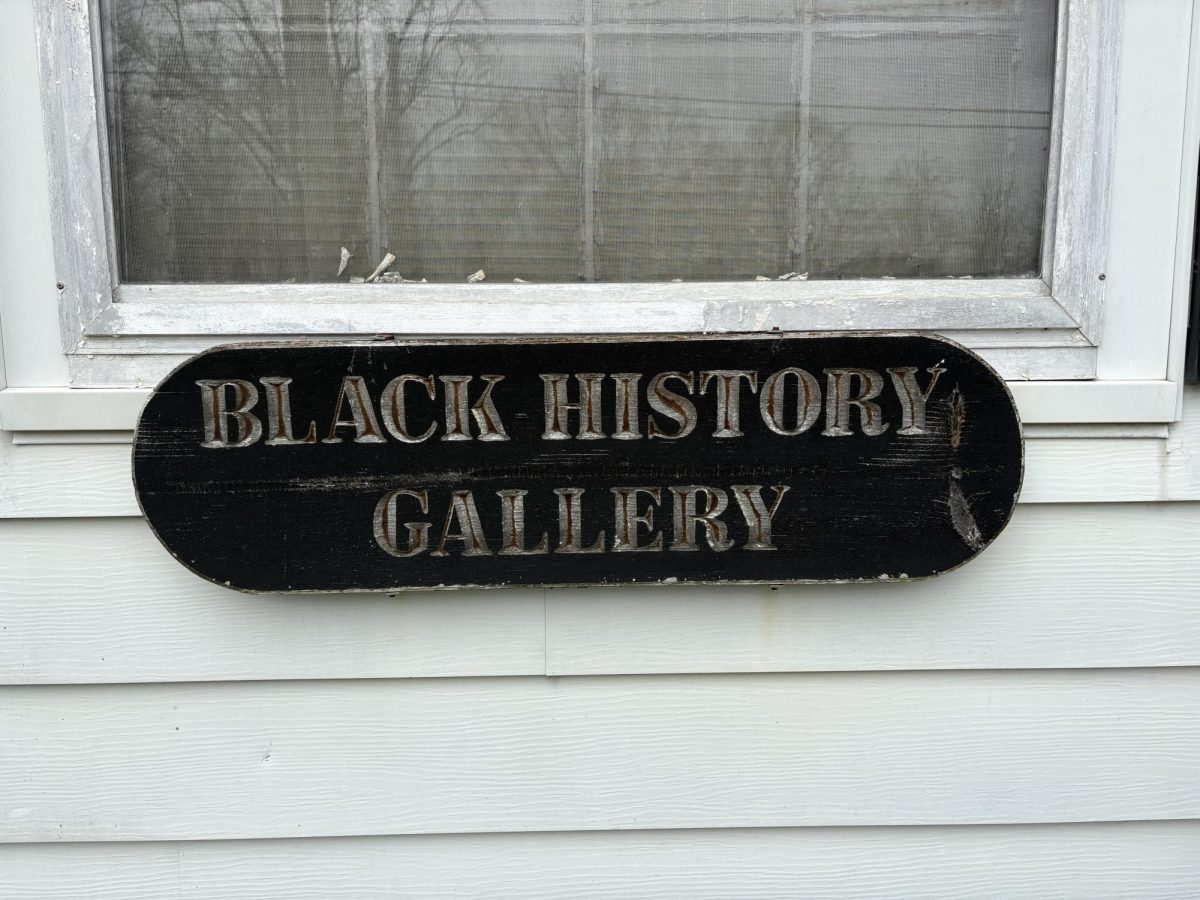
In 2003, Kentucky Educational Television produced a story on the Emma Reno Connor Black History Gallery in Elizabethtown, Kentucky, for Season 1, Episode 5 of Kentucky Life. The story featured Charles Connor, the husband of the late Emma Reno Connor. The Emma Reno Connor Black History Gallery is the childhood home of Mrs. Connor. Mr. Connor created the gallery following Mrs. Connor’s death in 1988. The gallery includes biographies, photographs, articles and other items celebrating the achievements of Black people around the world.
Mrs. Connor was a schoolteacher in both Kentucky and New York. She used materials she collected on Black history in her classes because there were no resources available in the school system at the time.
Mrs. Connor was born in 1918 in Elizabethtown, Kentucky, to parents who were successful entrepreneurs. Mrs. Connor’s parents had several daughters and no sons. Mrs. Connor and her siblings graduated from Kentucky State University.
Establishments like the Emma Reno Connor Black History Gallery have existed for many years. These types of places are known as grassroots Black history museums. Black people opened their homes to the public to exhibit Black history, eventually creating national institutions.
Similar museums include the DuSable Museum of African American History, the first museum of its kind founded in 1961 by Margaret and Charles Burroughs. The National Great Blacks in Wax Museum is made up of several former row homes in Baltimore and features more than 150 lifelike wax statues. Dr. Charles H. Wright exhibited materials in his home in 1965, and today Charles H. Wright Museum of African American History is a national institution. Boat Fitzgerald Lewis’ Home Gallery was created in a garage and three rooms by a former detective. Poet and activist Anne Spencer turned her two-story home into a house and garden museum. The Louis Armstrong House Museum exhibits personal artifacts and other materials. The childhood home of late civil rights activist and educator Mary McLeod Bethune is a national institution. Frederick Douglass’ 21-room Victorian mansion is a memorial site. Lewis Latimer, inventor and electrical pioneer, has a historic home honoring his scientific contributions to society.
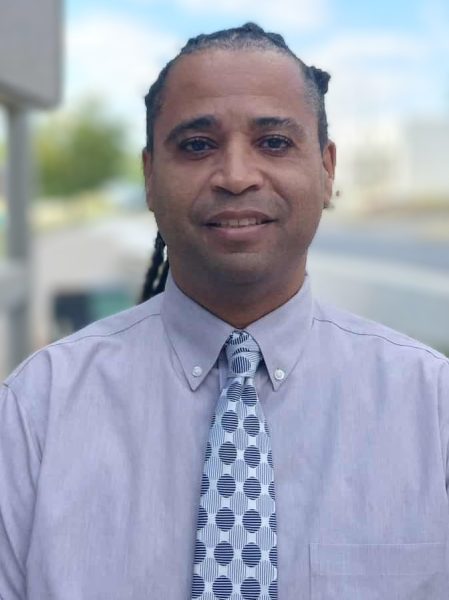
Though Mr. Connor died in 2010 at 93, the Black History Gallery is in good hands. Brenda and Ralph Tucker have taken on the mantle as managers and tour guides for the gallery.
Mrs. Tucker said, “This gallery has been in existence since 1987, probably longer even before that because if you take a look around on that wall is Miss Emma Connor … Reno Connor. She was really the prime reason that it came to fruition … I’m going to say it like that. Because … she was an educator. And at the time when she was teaching students, there was very little history about African Americans’ contributions. The significance of what they had done to help America move and make it great as it is today.
“So, what she started doing was collecting things — all kinds of memorabilia that reflected and represented the contributions and significance of African Americans. She wanted their story, our story, to be told. And that was the only way she could do it, to tear pictures out of magazines because they were not in any history books that were being told.
“She is originally from E-town. She is part of the Reno family. They were born and raised here — a wealthy, well-known family. I’m not sure where they originated from, but this is the Reno family home that you’re standing in. This very house was built in 1937.
“After they passed away, Mr. Connor, Mrs. Connor’s husband, turned this into a museum. Mrs. Connor never even got to see this. This was her dream and her legacy. Mr. Connor felt that, in order to honor her dream, he decided to open it and make it a reality.”
According to Mrs. Tucker, Mr. Connor funded the museum himself. Mr. Connor’s niece appointed Mr. and Mrs. Tucker as the new caretakers of the museum.
Mrs. Tucker said, “Mr. Connor, in 2010, passed away. It is not even a 501(c)(3) organization — no board or anything. Mr. Connor isn’t living, and he has a niece living in Atlanta. She chose my husband and myself. We are the caretakers, probably the ones who oversee it here locally.”
Though Mrs. Tucker and her husband open the gallery to the public, they have yet to market to the university population.
“Not with the universities, but we connect with the local schools here in Hardin County. We offer field trips like that,” Tucker said.
Mrs. Tucker said she would love for a connection with Kentucky State University students to happen.
“Well, actually, I think Mrs. Connor is a graduate of Kentucky State. I believe she is, and her siblings are Kentucky State University graduates,” Tucker said.
“Up-and-coming students are probably tech-savvy,” Tucker said.
Mrs. Tucker said they are looking for future generations to take over as curators. It has not been a priority in finding someone to take such a position, but it is the next step.
Mrs. Tucker said they have visitors by appointment throughout different parts of the year. She said one of the highlights available to engage visitors is a scavenger hunt and summer reading programs.
“In February — Black History Month — we have a lot of visitors. In the summer, when there are family reunions, vacations and things like that. And sometimes we’ve had summer reading programs, things like that, and back-to-school reading events,” Tucker said.