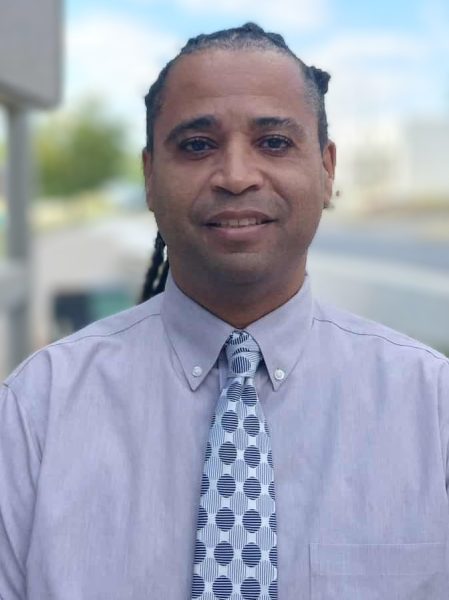
Lisa Bennett has spent three decades as an entrepreneur in Louisville, Kentucky. Now 67, she traces her business journey back to age 25, when she launched Snow White Cleaning Company. She recalls being one of the first Black women in Louisville to take on commercial cleaning at construction sites, a role she held for seven years before meeting her husband. Bennett explains that she never pursued formal business training; entrepreneurship was simply something she enjoyed. Though she completed two years of college, none of her coursework related directly to her work.
She and her ex-husband later created a retail landmark that brought a unique cultural presence to Louisville. Their store, Kente International, became the first business in Kentucky to sell shea butter and Black soap. Located across from the Doo Wop Shop on Bardstown Road, the store thrived for 20 years and became known for drum circles, books, African artifacts, and a broad celebration of culture. Bennett remembers that most customers were white, while Black customers visited more seasonally—during Black History Month or Kwanzaa. People from out of town often called seeking Black bookstores, long before online retail became dominant.
Kente International operated in a market with little competition. Bennett notes that customers weren’t yet buying online, which helped the store flourish. Travelers who forgot gifts during trips to Africa often visited Kente to purchase items. After two decades, the store closed following her divorce. Bennett returned to what she knew and took on several jobs before going into business with her son-in-law as a vendor. They participated in the very first WorldFest, where vendor spaces were free for the first two years. Today, a booth costs over $500 for the four-day festival.
Years later, Bennett and a business partner opened Gye Nyame Books and More in the Portland neighborhood, later moving to 18th and Magazine Street. But low sales and the challenging environment led them to close the store. Bennett considered relocating but was uncertain about the next step. Even without a storefront, she still receives calls from loyal customers who have supported her for more than 30 years.
Bennett has observed the way cultural trends influence business. She noticed spikes in people selling cultural merchandise during events such as Black Lives Matter protests, the response to Breonna Taylor’s death, and annual Juneteenth celebrations. She also sees how reading habits have shifted as more people turn to digital formats rather than shopping in brick-and-mortar bookstores. To her, cultural interest moves in waves—when she opened Kente International, the appetite for African culture and knowledge was strong. Although she prefers holding physical books over reading online, she appreciates that many young people are still eager to learn about their history. She believes that if she sells an item, the customer should understand its meaning because, as she often says, information is power.
Despite decades of entrepreneurship, Bennett never created a business plan or a marketing strategy, though she always paid her taxes. Books, she says, are what made her successful. She believes full-time vending can provide a living depending on the product and the demand. Many start as hobbyists and gradually turn their passion into a business, especially when word of mouth is their primary marketing tool. She’s also sold at flea markets on Seventh Street, which she points out carry low overhead costs compared to maintaining a storefront. Even so, she never embraced what she calls the “mentality” of flea markets and preferred true vending events.
Bennett has had strong success vending at Kentucky State University’s homecoming, which attracts vendors from across the country. She believes students at KSU could thrive by opening stores near campus—success, she says, comes down to understanding what people want.